

As a loved one becomes older, tiny changes typically happen before big problems do. At first, it could be easier to explain away these changes. You may say that they are just weary, having a rough week, or getting older. Those little indications can start to feel more common and harder to ignore over time.
You might realise that you don’t take care of yourself as much. Your clothes might not be as clean as they used to be, and your grooming regimen could feel rushed or forgotten. Your home may start to feel cluttered or messy if you don’t keep it clean. These changes could mean that it’s getting tougher to keep up with daily responsibilities.
You may also adjust how you eat. People might miss meals, eat snacks instead, or forget about them altogether. You might lose weight, have empty fridges, or have food that goes bad. Eating poorly can quickly make you weak or sick, thus nutrition is really important for health.
Another major worry is problems with memory. This could include missing appointments, asking the same questions again and over, having dates mixed up, or forgetting names of people you know. It’s acceptable to forget things from time to time, but being confused a lot might make you less safe and less sure of yourself.
Mobility is sometimes a worry as well. You can start to feel like standing up, taking a bath, or using the stairs is dangerous. A fall, even a small one, can affect your health and freedom for a long time.
When home isn't home
A lot of older individuals desire to stay in their own homes for as long as they can. It is familiar, brings back memories, and makes me feel better. Families normally support this wish for as long as they can.
But there may come a time when remaining at home is more stressful than relaxing. Family members may start to have a big role in daily care. Even when everyone is doing their best, this might make them tired, worried, and guilty.

Most of the time, safety is the most important thing. When someone is alone, they could forget to take their medicine, fall, or get sick suddenly. Being alone might sometimes make you feel more lonely, especially if your friends have moved away or died. Being alone for long periods of time might change your mood and mental health.
Why Avon Park Could Be a Good Choice
Moving into a care home setting doesn’t mean losing your freedom. For a lot of folks, it’s about getting help, feeling safe, and living a better life.
You can get aid at any time of day or night in a care facility. People are treated with respect and dignity when they get personal attention. Every day, meals are made, which takes the stress off of cooking and makes sure everyone gets the right amount of food.
Trained professionals can promptly see changes in health. It’s safe to take medicine, and routines help give structure and peace of mind. This can stop tiny problems from turning into big ones.
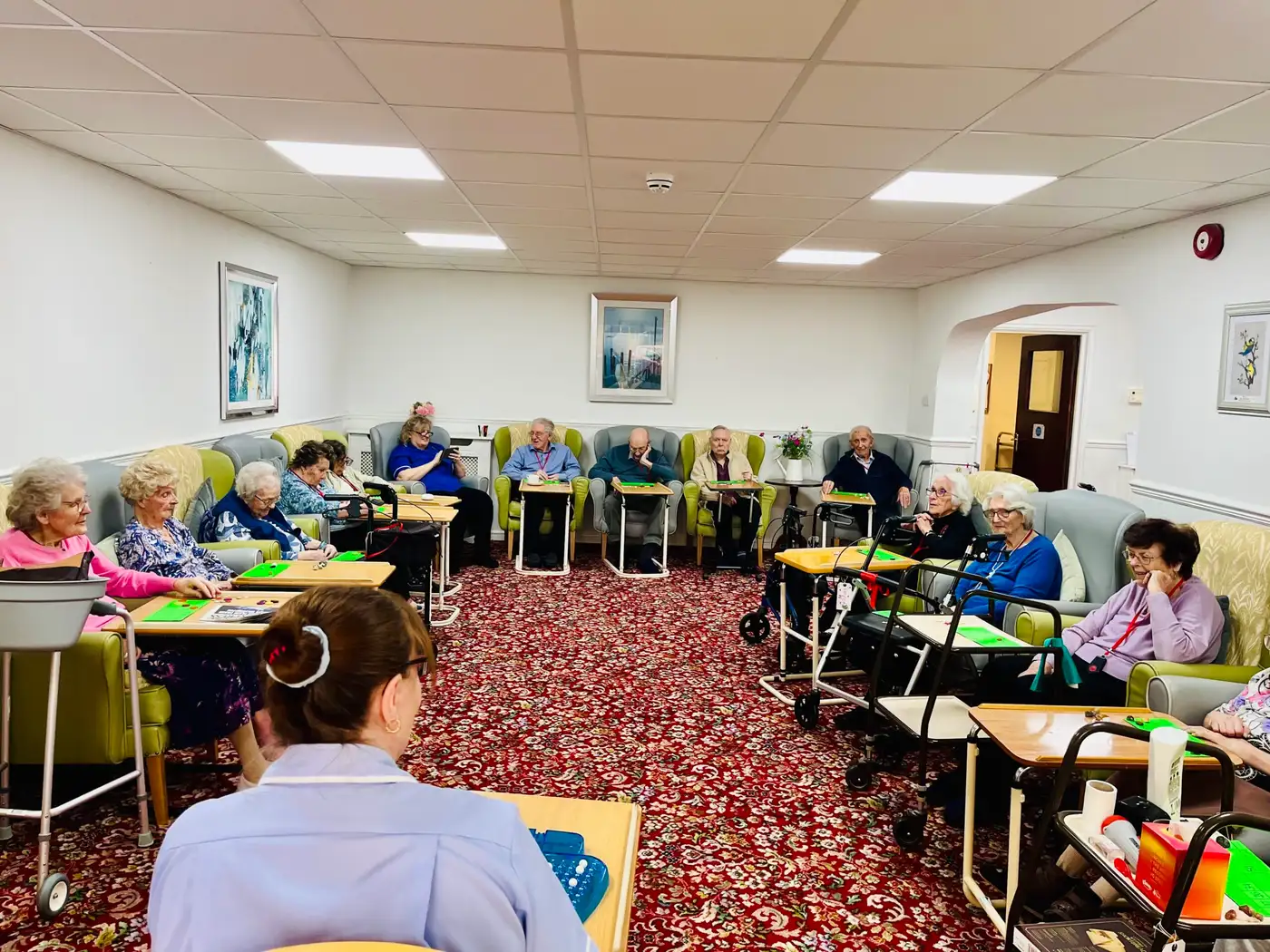
Your social life frequently gets better too. Doing things together every day, eating together, and having small discussions may make a big difference. Many inhabitants feel better and more confident once they don’t have to deal with their problems alone anymore.
As a family, backing the choice
Making the choice to move into a care facility is an emotional one. Not shame or terror, but safety, health, and long-term requirements should govern it.
Everyone feels included when they can talk to one other openly and honestly. Taking the time to listen, reassure, and look at solutions jointly might make things easier.
If you start to feel uncomfortable or overwhelmed in your daily life, it might be time to look for a different form of help. The ideal care home can make both residents and their families feel safe, comfortable, and at ease.