

Choosing between residential care and assisted living
is one of the biggest decisions a family can face. The two terms are often used as if they mean the same thing, but they describe different levels of support, different routines, and different costs. Understanding the difference matters, because getting it right shapes the day to day life of someone you love.
This guide sets out how residential care and assisted living compare, what each includes, and how to judge which one suits your loved one. We also explain how both options work at Avon Park, a family-run residential care home in Park Gate, Southampton, where residents can move between levels of support without moving home.
What is residential care?
Residential care is a form of care home living in which residents receive help with daily personal tasks such as washing, dressing, eating, and taking medication. Care staff are on hand around the clock, meals are provided, and the home takes responsibility for day-to-day wellbeing. It is sometimes called personal care, and it does not include the medical nursing you would find in a nursing home.
Residential care suits older people who can no longer manage safely on their own at home, but who do not need nursing care. For many families in Southampton and Hampshire, it is the right answer when a parent or relative needs reliable daily support and the reassurance of staff nearby.
At Avon Park, residential care in Southampton is built around a personalised care plan for each resident, with en-suite accommodation, freshly prepared meals, and a full programme of activities and outings.

What is assisted living?
Assisted living is a middle ground between living independently and full residential care. Residents keep a greater degree of independence, managing much of their own daily routine, while having support available when they need it. That support can cover things like mobility, medication prompts, meal preparation, and help with appointments.
The key difference is the balance of responsibility. In assisted living, the emphasis is on maintaining independence for as long as possible. In residential care, the emphasis is on providing hands-on personal care throughout the day and night.
Avon Park offers assisted living in Southampton within the same home, so residents enjoy the security of a care environment with more personal freedom over how they spend their day.
Residential care vs assisted living: key differences
The table below summarises the main differences. Use it as a starting point, then read on for the details.
| Factor | Residential care | Assisted living |
|---|---|---|
| Level of support | Regular help with personal care, day and night | Support when needed; more done independently |
| Daily routine | Structured around the home and care plan | More self-directed, at the resident's own pace |
| Staff availability | Care staff on duty around the clock | Staff available, but less hands on involvement |
| Personal care | Help with washing, dressing, eating, medication | Limited help; prompts and light assistance |
| Meals | All meals provided | Meals available; more flexibility |
| Best suited to | People who need reliable daily personal care | People who value independence with a safety net |
The level of care and support
The most important difference between the two options is the amount of hands on care provided. Residential care is designed for people who need help with several daily tasks, often including washing, dressing, and managing medication. The care team carries out those tasks with the resident, rather than simply being available if needed.
Assisted living provides a lighter touch. Residents might need help with one or two specific things, such as getting in and out of the bath or remembering to take tablets, but they manage the rest themselves. This works well for someone who is mobile and capable, but would feel safer knowing help is close by.
When you visit a home, ask how care plans are written and reviewed. A good home will assess each resident as an individual and adjust the plan as needs change, rather than offering a one size fits all level of care.
Hear From Our Residents' Families
More reviews on our reviews page.
Daily life, independence and social life
Daily life looks quite different under the two models. Residential care tends to follow a structured rhythm: set mealtimes, planned activities, and staff supporting residents throughout the day. Many residents thrive on that structure, particularly if they have been lonely or struggling at home.
Assisted living residents have more freedom to set their own pace. They might choose to spend time in their room, join activities, or go out with family,
with support arranged around them. Both models at Avon Park share the same activities programme, including bingo, art classes, cookery lessons, and outings in the local area.
Social life matters at any age, and both options at Avon Park are built around a communal, friendly atmosphere. The home sits in the quiet residential area of Park Gate, on the border between Southampton and Portsmouth, with easy access from the M27 for families visiting from across Hampshire.
Accommodation and facilities
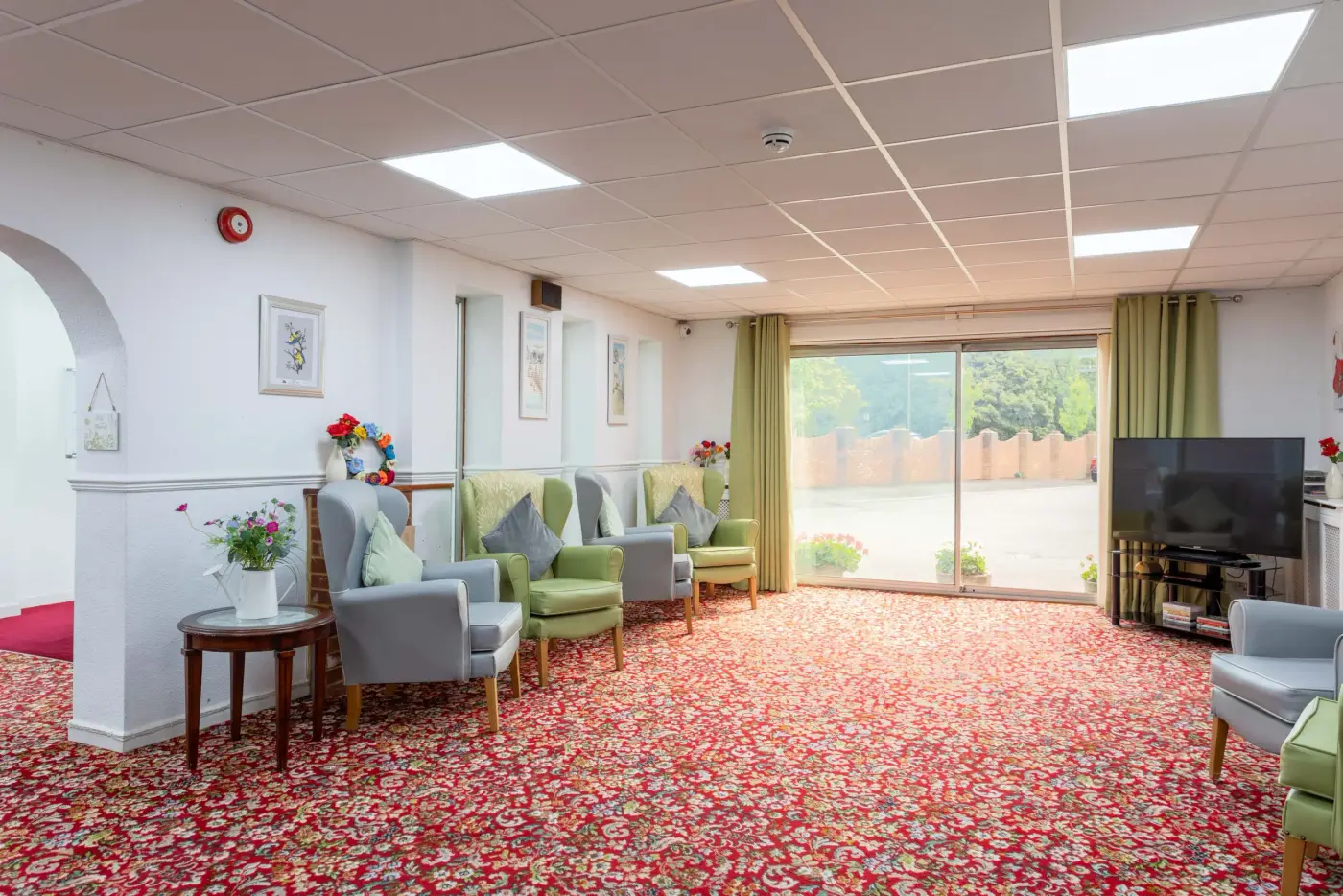
Accommodation is another area where the two options differ. In residential care, the room is a private base within the home, with en-suite facilities available and communal lounges, dining rooms, and gardens shared with other residents. In assisted living, residents typically have more independence over their space and how they use it, though at Avon Park both are provided within the same building.
Whichever option you are considering, it is worth checking whether rooms can be personalised with the resident’s own furniture and belongings. A room that feels familiar makes the move far easier. Avon Park encourages residents to make their rooms their own, and current room vacancies can be viewed on the website.
Costs and funding considerations
Cost is often the first question families ask, and it is a genuine one. As a general rule, residential care costs more than assisted living, because the level of staffing and personal care is higher. Fees vary between homes and depend on the size and condition of the room, the level of care needed, and what is included in the weekly fee.
Before comparing homes, ask each one for a clear breakdown of what the fee covers.

This should include accommodation, meals, personal care, laundry, and activities. Some homes add extras for things like outings, hairdressing, or specific care needs, so it is worth asking for the full picture in writing.
Funding can come from private savings, from the local authority, or in some cases from NHS continuing healthcare, depending on the resident’s needs and assets. The NHS guide to care homes and Age UK’s care advice are reliable starting points, and a good care home will talk you through the options without pressure.
Which is right for your loved one?
There is no single correct answer, but a few honest questions help. How much help does your loved one need with washing, dressing, and medication? How well do they manage on their own at home? Would they benefit from a structured day, or would they resent losing their independence?
Residential care is usually the right choice when someone needs regular personal care and cannot manage safely at home. Assisted living suits someone who is largely independent but would benefit from a safety net and companionship. It is also a sensible first step for families who want to test how their relative settles into a care environment.
For families still weighing up their options, respite care offers a way to try life in a care home without a permanent commitment. Avon Park offers flexible respite care stays, which can be a reassuring way to see how a residential setting suits your loved one.
Questions to ask when you visit a care home
Whichever option you are leaning towards, the questions you ask on a visit will tell you more than any brochure. Use these as a starting point, and do not be shy about asking them. A home that answers openly is usually a home with nothing to hide.
Ask how many care staff are on duty during the day and overnight, and how care plans are written and reviewed.

Ask what happens if a resident’s needs change, whether there are any extra fees, and how families are kept informed. And ask about the food: what a typical menu looks like, how dietary needs are handled, and whether residents are involved in menu planning.
Above all, spend time watching how staff and residents interact. Do staff greet residents by name? Do residents look comfortable and engaged? The atmosphere of a home tells you things a checklist cannot, which is why a personal visit should always be part of your decision.
Both options under one roof at Avon Park
One of the practical advantages of Avon Park is that residential care and assisted living are offered in the same building. If a resident’s needs change, the care plan can be adjusted without the upheaval of moving to a different home. That continuity is a real comfort for residents and their families.
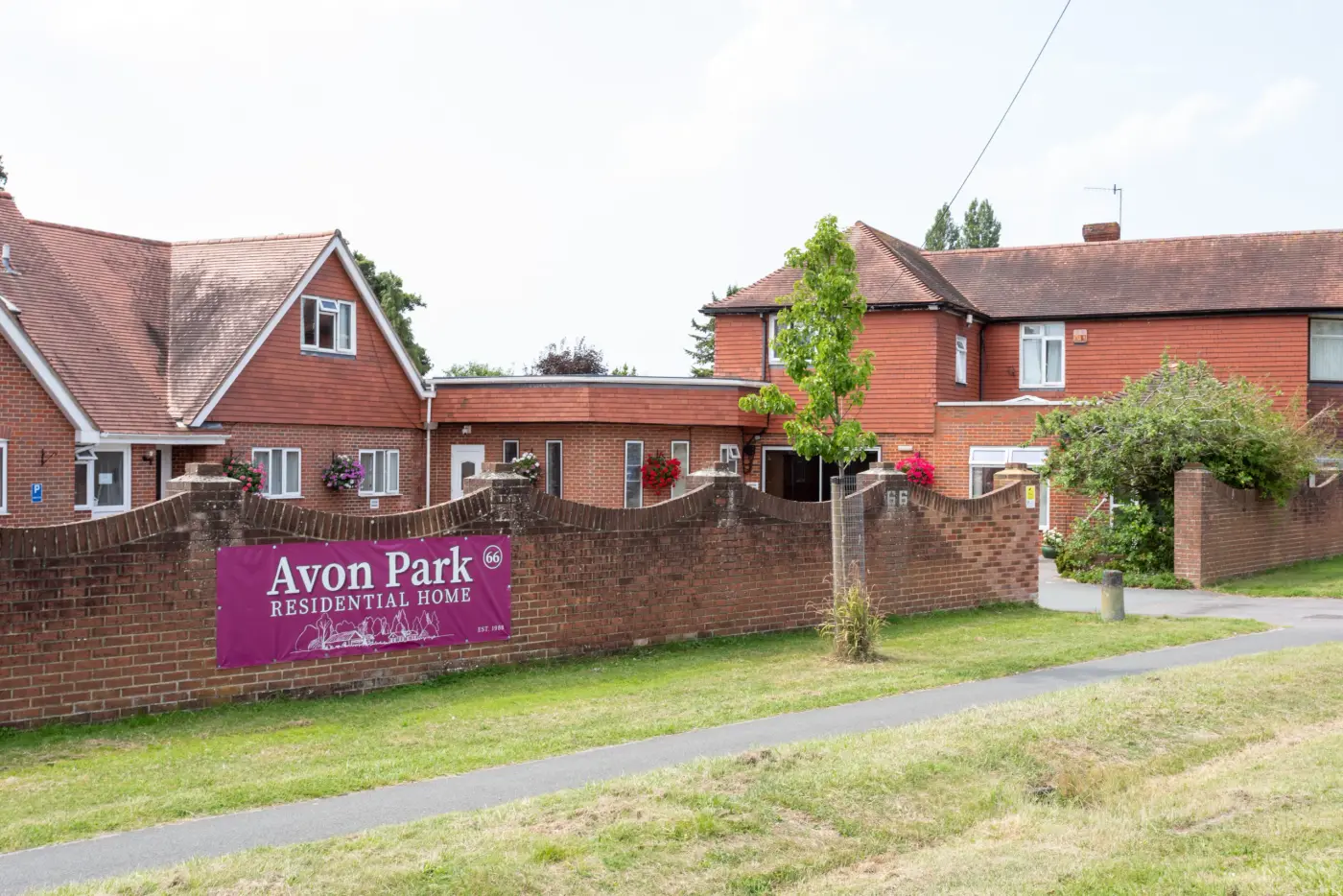
Avon Park is a 28-bed residential care home for people over 55, registered with the Care Quality Commission (CQC) and rated Good across all categories in its latest inspection. The home has served the local community since 1988 and welcomes residents from Southampton, Portsmouth, Fareham, and Winchester. You can read the full CQC report for Avon Park Residential Home on the regulator’s website.
Our full range of care services is described on the website, and our team is always happy to talk through whether residential care or assisted living would suit your loved one best.
Arrange a visit to see the difference for yourself
The best way to understand residential care and assisted living is to see them in action. Families are warmly invited to visit Avon Park, meet the team, and ask questions at their own pace. There is no pressure, and no obligation to decide on the day.
Call 01489 574616 or complete the contact form to arrange a tour of our home in Park Gate, Southampton.
Frequently Asked Questions
What is the main difference between residential care and assisted living?
Residential care provides regular hands on personal care, such as help with washing, dressing, and medication, with staff on duty around the clock. Assisted living offers more independence, with support available when needed rather than continuously.
Is assisted living cheaper than residential care?
Generally, yes. Assisted living involves fewer staff hours per resident, so fees are usually lower. Always ask for a clear breakdown of what the weekly fee includes before comparing homes.
Can someone move from assisted living to residential care?
Yes. At Avon Park, both options are provided in the same home, so if a resident’s needs increase, the care plan can be reviewed and adjusted without moving to a different building.
Does Avon Park offer both residential care and assisted living?
Yes. Avon Park offers residential care, assisted living, and respite care all within one home in Park Gate, Southampton. Residents can move between levels of support as their needs change.
How do I know which type of care my parent needs?
Consider how much daily help they need with washing, dressing, eating, and medication, and how safely they manage at home. If in doubt, talk to the care home team and, if useful, their GP.